Exploring the crucial need to separate business credit from personal credit, this article delves into the impact of intertwining these two aspects on financial well-being. Through real-life examples and valuable insights, readers will gain a deeper understanding of the benefits of maintaining distinct credit profiles for personal and business finances.
Importance of Separating Business Credit and Personal Credit
Keeping business credit and personal credit separate is essential for maintaining financial health and stability. By establishing distinct credit profiles for your personal and business finances, you can mitigate risks and protect your assets in case of unforeseen circumstances.
Impact on Individual or Business
- Intertwining business and personal credit can lead to confusion and make it challenging to track expenses accurately. This can result in financial mismanagement and potentially harm both your personal and business finances.
- Using personal credit for business expenses can put your personal assets at risk in the event of business failure or bankruptcy. It can also negatively impact your personal credit score if business debts are not repaid on time.
- On the other hand, relying solely on business credit for business expenses helps build a strong credit history for your company without affecting your personal credit standing. This separation ensures that your personal finances remain safeguarded.
Key Differences Between Business and Personal Credit
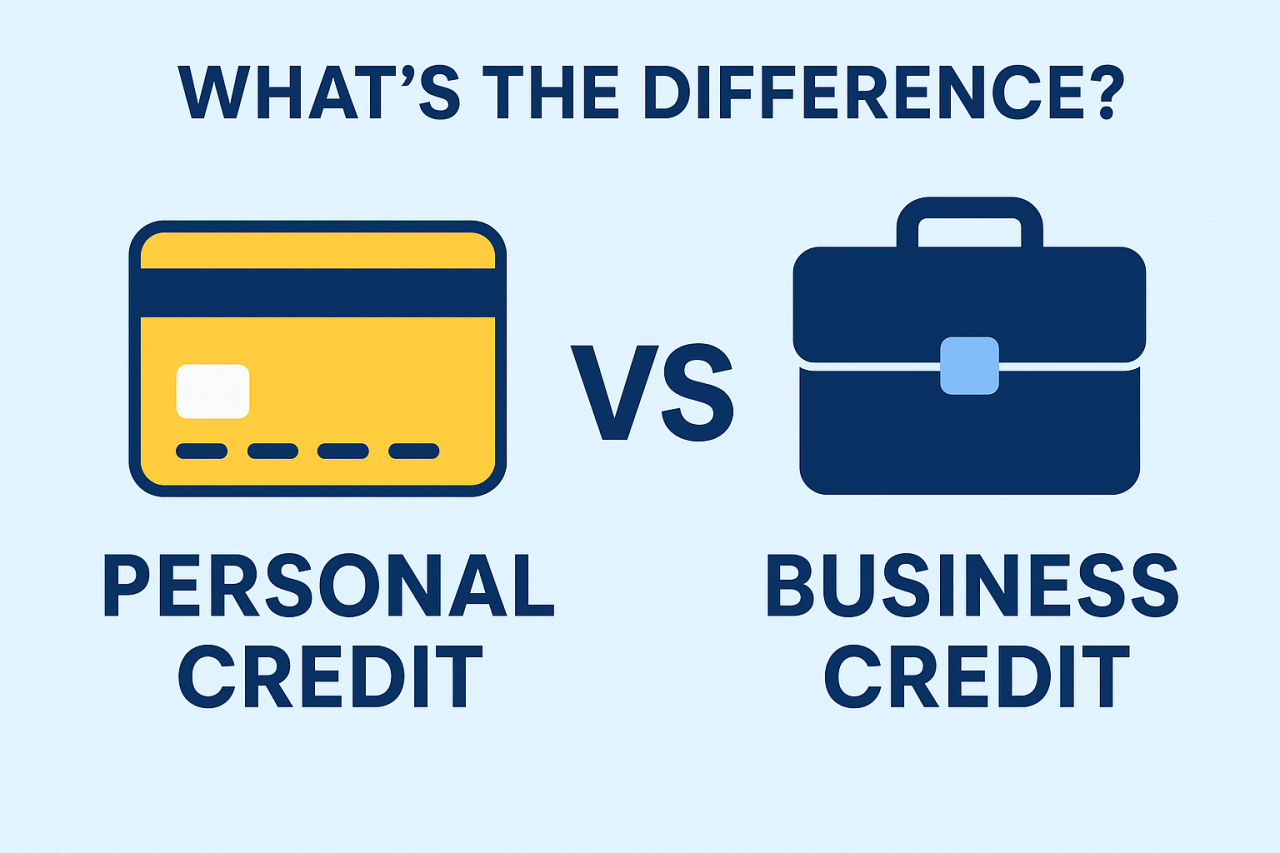
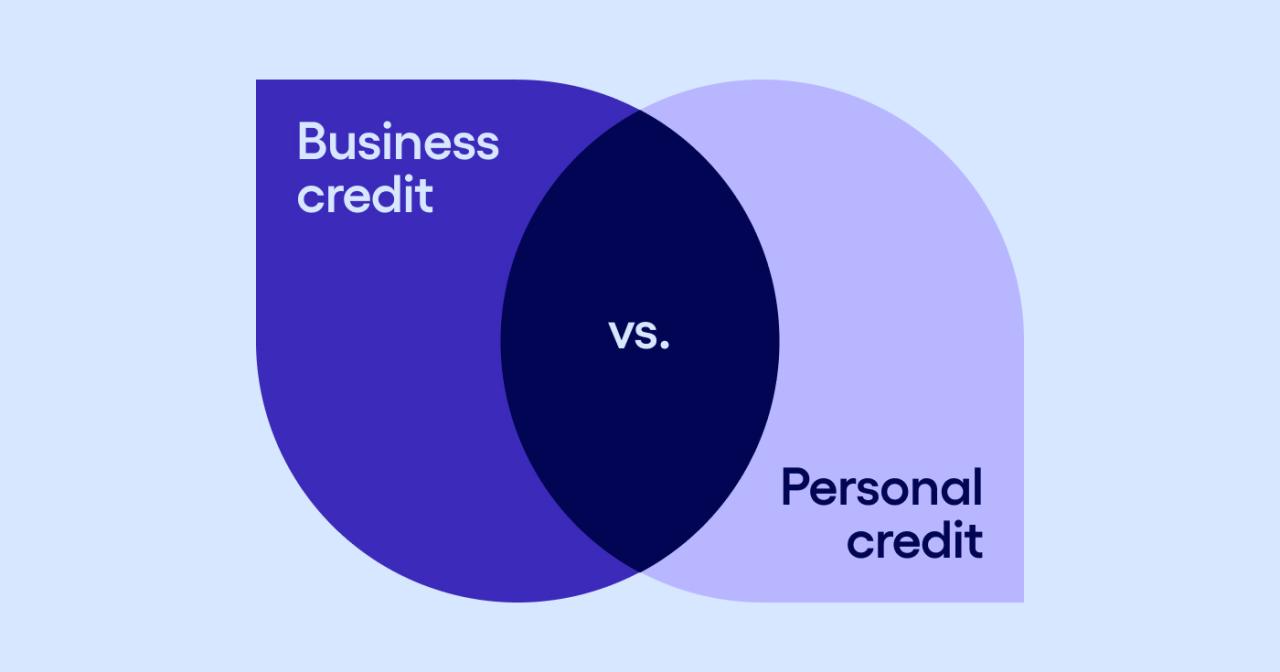 When it comes to credit, there are distinct differences between business credit and personal credit that are important to understand. Let's delve into the unique characteristics of each and how credit scores are calculated differently for businesses and individuals.
Calculation of Credit Scores
In the realm of personal credit, credit bureaus like Equifax, Experian, and TransUnion use factors such as payment history, credit utilization, length of credit history, types of credit used, and new credit inquiries to calculate an individual's credit score. On the other hand, business credit scores are determined by assessing factors like payment history, credit utilization, public records, company size, industry risk, and the age of the business. This means that the criteria for evaluating creditworthiness differ significantly between personal and business credit.Influence of Factors on Credit Ratings
For personal credit scores, individual financial behavior plays a significant role in determining credit ratings. This includes how promptly payments are made, the amount of debt carried, and the types of credit accounts held. In contrast, business credit ratings are influenced by factors related to the company's financial health, such as how the business manages its debts, the size of the company, industry risks, and any legal filings or judgments against the business. Understanding these unique factors that impact credit ratings is crucial for maintaining healthy credit profiles for both personal and business finances.Building Business Credit
Strategies for Establishing and Building Business Credit
- Open a business credit card: Having a dedicated business credit card can help you separate personal and business expenses, while also establishing a credit history for your company.
- Establish trade credit accounts: Work with vendors and suppliers who report your payment history to business credit bureaus, helping to build your credit profile.
- Monitor your credit report: Regularly review your business credit report to ensure accuracy and address any errors promptly.
Tips for Improving Business Credit Scores Over Time
- Make timely payments: Paying your bills on time is crucial for maintaining a positive credit history and improving your credit scores.
- Keep credit utilization low: Aim to use only a small percentage of your available credit to show responsible credit management.
- Apply for credit strategically: Avoid opening multiple credit accounts within a short period, as this can signal financial distress to lenders.
Importance of Timely Payments and Responsible Credit Utilization
Timely payments and responsible credit utilization are key factors in enhancing your business creditworthiness. By consistently paying your bills on time and using credit wisely, you can demonstrate to lenders that your business is a reliable borrower. This, in turn, can lead to better financing options and lower interest rates, ultimately supporting the growth and success of your business.
Managing Personal Credit Alongside Business Credit
Maintaining a healthy balance between personal credit and business credit is crucial for financial stability and growth. Your personal credit decisions can impact your business credit, and vice versa, so it's essential to manage both effectively to avoid any negative repercussions.Tips for Managing Personal Credit Alongside Business Credit
- Monitor both personal and business credit reports regularly to identify any discrepancies or issues that may arise.
- Separate personal and business expenses to avoid co-mingling funds, which can make it challenging to track and manage credit usage.
- Pay bills on time for both personal and business accounts to maintain a positive payment history and improve credit scores.
- Avoid maxing out personal credit cards, as high credit utilization can negatively impact credit scores and potentially affect your ability to secure financing for your business.
- Consider opening a business credit card to establish a separate credit profile for your business and help build credit history.
Ultimate Conclusion
In conclusion, it is evident that separating business credit and personal credit is essential for long-term financial growth and stability. By following the strategies and tips provided in this discussion, individuals and businesses can navigate the world of credit with confidence and success.
FAQs
Can personal credit affect business credit?
Yes, personal credit decisions such as late payments or high credit utilization can impact business credit ratings. It's crucial to manage both credit profiles responsibly.
How can I improve my business credit score?
To enhance your business creditworthiness, focus on making timely payments, maintaining low credit utilization, and establishing a strong credit history for your business.
Is it necessary to keep personal and business credit separate?
Yes, maintaining distinct credit profiles is vital to protect personal finances, improve business credibility, and ensure a clear financial distinction between personal and business assets.