As How to Build Business Credit Fast: A 2026 Strategy for US Startups takes center stage, this opening passage beckons readers with casual formal language style into a world crafted with good knowledge, ensuring a reading experience that is both absorbing and distinctly original.
In the following paragraph, we will delve into a detailed overview of the topic, providing valuable insights and actionable steps for US startups looking to build business credit efficiently in 2026.
Overview of Business Credit Building
Building business credit is crucial for US startups as it provides financial credibility and separates personal and business finances. It allows companies to access funding, negotiate better terms with suppliers, and expand their operations.
Key Differences Between Personal and Business Credit
- Personal credit is linked to an individual's Social Security number, while business credit is tied to a company's Employer Identification Number (EIN).
- Business credit helps shield personal assets from business liabilities, reducing risks for the business owner.
- Business credit is based on the company's financial history and performance, rather than personal credit score.
Impact of Business Credit on Financial Health
- Strong business credit can lead to better loan terms, higher credit limits, and lower interest rates, saving the company money in the long run.
- It enhances the company's reputation and credibility in the eyes of lenders, suppliers, and partners.
- Building business credit opens up opportunities for growth and expansion by providing access to capital when needed.
Common Misconceptions About Business Credit
Myth:
Business credit does not affect personal credit.Reality:
While they are separate, certain actions on the business credit can impact the personal credit of the business owner.Myth:
Only large corporations need to worry about business credit.Reality:
Even small startups can benefit from building strong business credit to establish financial stability and growth potential.
Establishing a Strong Foundation
When it comes to building business credit fast, establishing a strong foundation is crucial. This includes separating your personal and business finances, selecting the right business structure, obtaining a federal tax ID number (EIN), and opening a business bank account.Separating Personal and Business Finances
- Open a separate business bank account to keep personal and business finances distinct.
- Avoid using personal credit cards for business expenses to maintain separation.
- Set up clear accounting practices to track business transactions separately.
Selecting the Right Business Structure
- Consider factors like liability protection, taxation, and operational ease when choosing a business structure.
- Options include sole proprietorship, partnership, corporation, and limited liability company (LLC).
- Consult with a legal or financial advisor to determine the best structure for your business.
Obtaining a Federal Tax ID Number (EIN)
- Apply for an Employer Identification Number (EIN) from the IRS for your business.
- An EIN is necessary for opening a business bank account, filing taxes, and establishing business credit.
- Visit the IRS website or contact them directly to obtain your EIN.
Opening a Business Bank Account
- Choose a bank that offers business accounts and services tailored to your needs.
- Provide your EIN, business documents, and identification to open the account.
- Use the business bank account for all business transactions to build a strong financial history.
Building Credit History
Building a strong credit history is essential for any business looking to establish credibility and access financing. One of the key ways to do this is by obtaining vendor credit, applying for a business credit card, making timely payments, and monitoring credit reports regularly.Obtaining Vendor Credit
Vendor credit is a great way to start building your business credit history. Look for vendors who are willing to extend credit to your business and make sure to establish a positive payment history with them.
Applying for a Business Credit Card
Applying for a business credit card is another effective way to build credit. Choose a card with favorable terms and make sure to use it responsibly by making timely payments and keeping your credit utilization low.
Making Timely Payments
Timely payments are crucial for building a positive credit history. Make sure to pay all your bills on time, as late payments can have a negative impact on your credit score.
Monitoring Credit Reports Regularly
Regularly monitoring your credit reports and scores is important to ensure that the information being reported is accurate. Keep an eye out for any errors or discrepancies and address them promptly to maintain a healthy credit profile.
Utilizing Credit Responsibly

When it comes to building business credit fast, utilizing credit responsibly is crucial for maintaining a healthy financial profile. This involves managing credit wisely to ensure long-term success and growth for your business.
Maintaining a Low Credit Utilization Ratio
One key aspect of using credit responsibly is to maintain a low credit utilization ratio. This ratio represents the amount of credit you are currently using compared to the total credit available to you. Keeping this ratio low shows lenders that you are not overly reliant on credit and can manage your finances effectively.
Impact of Credit Inquiries on Business Credit Scores
Credit inquiries, whether hard or soft, can have an impact on your business credit scores. Hard inquiries, which occur when you apply for credit, can temporarily lower your scores. On the other hand, soft inquiries, such as checking your own credit, do not affect your scores. It's important to be mindful of how often you apply for credit to avoid unnecessary decreases in your credit scores.
Strategies for Managing Credit Responsibly
- Regularly monitor your business credit reports to catch any errors or discrepancies early.
- Promptly pay your bills on time to establish a positive payment history.
- Avoid maxing out your credit cards or lines of credit to keep your credit utilization low.
Tips for Avoiding Common Pitfalls
- Avoid applying for multiple credit accounts within a short period, as this can signal financial instability to lenders.
- Be cautious of co-signing for loans or credit accounts, as any missed payments could impact your credit as well.
- Regularly review your financial statements and credit accounts to catch any fraudulent activity early.
Accelerating Credit Building
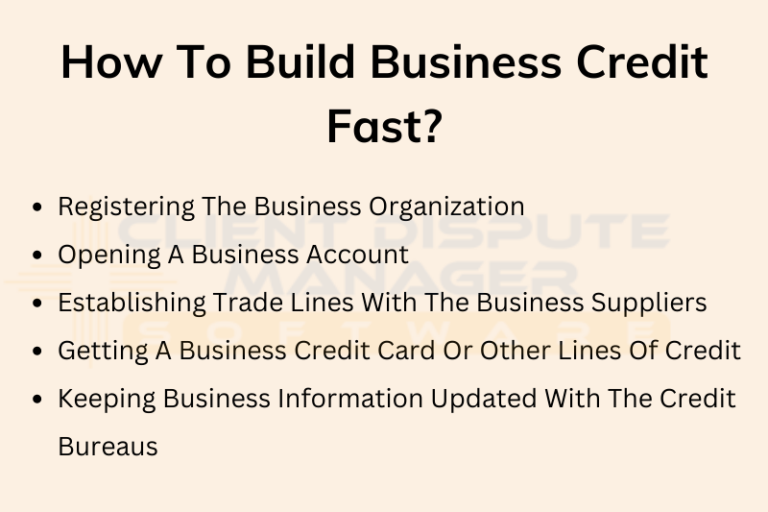
When it comes to accelerating credit building for your business, there are several key strategies you can implement to expedite the process and establish a strong credit profile.
Securing a Business Line of Credit
One option to secure a business line of credit is to apply for a small business credit card. This can help you separate personal and business expenses while building credit for your company. Additionally, you can explore traditional bank loans or alternative lending options to establish a line of credit.
Benefits of Trade Credit and Leveraging It
Trade credit allows you to obtain goods or services from suppliers and pay for them at a later date. By leveraging trade credit effectively, you can improve cash flow, build relationships with vendors, and establish a positive credit history. Negotiating favorable terms with suppliers can also help you maximize the benefits of trade credit.
Establishing Relationships with Lenders
Building relationships with lenders is crucial for accessing credit when needed. By maintaining open communication, meeting financial obligations on time, and demonstrating responsible financial management, you can strengthen your relationship with lenders and increase your chances of obtaining credit.
Maximizing Credit Limits and Expanding Sources
To maximize credit limits, it is essential to use credit responsibly, make timely payments, and avoid carrying high balances. As your credit history improves, you can request credit limit increases from your existing creditors. Additionally, diversifying your credit sources by exploring different lenders and financial institutions can help you expand your credit options and build a robust credit profile.
Wrap-Up
To conclude, this discussion has shed light on crucial strategies and considerations for US startups aiming to enhance their business credit swiftly in 2026. By implementing the Artikeld steps and maintaining financial discipline, businesses can pave the way for long-term success and growth.
Top FAQs
What are the key differences between personal and business credit?
Personal credit is based on an individual's financial history, while business credit is linked to a company's creditworthiness and financial behavior. Separating the two is crucial for protecting personal assets and building a strong business credit profile.
How can US startups establish a strong foundation for building business credit?
US startups can establish a strong foundation by separating personal and business finances, choosing the right business structure, obtaining a federal tax ID number, and opening a dedicated business bank account. These steps lay the groundwork for a solid credit history.
What strategies can be employed to accelerate credit building for US startups in 2026?
US startups can accelerate credit building by securing a business line of credit, leveraging trade credit, establishing relationships with lenders, and maximizing credit limits. These strategies can help expand credit sources and boost creditworthiness efficiently.